by Bautista Vivanco
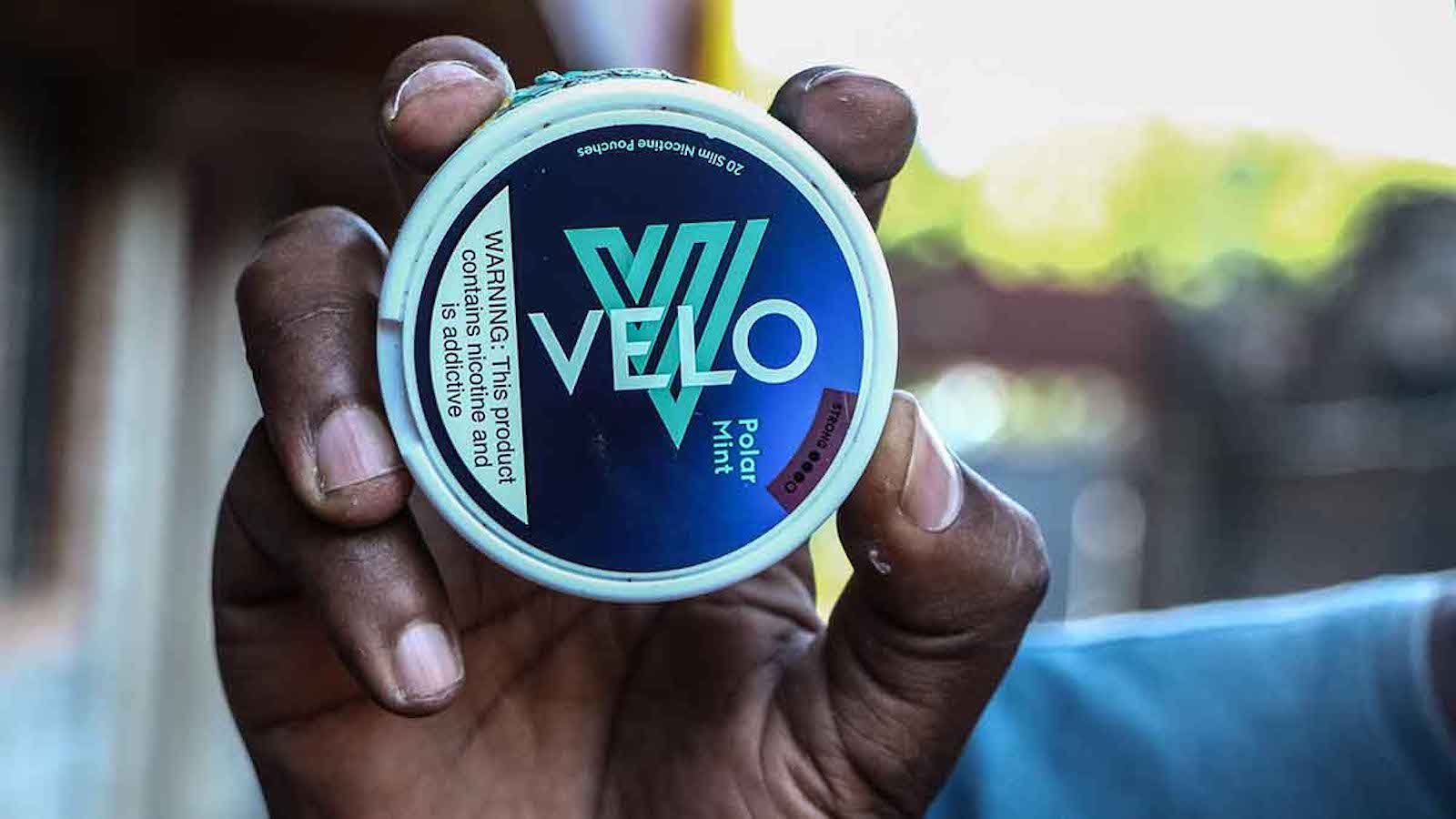
Costa Rica recently proposed a comprehensive ban on most oral nicotine products. This ban is meant to cut off Costa Ricans’ access to chewing tobacco and snuff, but also to low-risk nicotine products such as nicotine pouches and gums.
Even if it’s passed, the measure won’t stop people from consuming these products. It will merely drive many users to cigarettes (which are still legal in Costa Rica) or to continue purchasing oral nicotine products in a black market already dominated by drug cartels. Increased activity by criminal organizations in Costa Rica would likely draw the attention of American authorities, which could harm Costa Rica’s broader relationship with the US.
Costa Rica is a smoking country. As of 2024, roughly 7.8% of Costa Ricans light up regularly (that same year, 14.1% of Americans smoked habitually). This habit carries well-known health consequences, including tooth decay, strokes, heart failure, and cancer—all driven by the byproducts of tobacco combustion, which releases dangerous chemicals like ammonia, tar, and heavy metals. As a result, almost 6% of all deaths in the country can be attributed to tobacco smoking.
Oral nicotine products offer a much safer alternative. They do not combust tobacco leaves, allowing consumers to satisfy their nicotine needs while avoiding the health problems associated with tobacco smoke. This makes chewing tobacco and snuff significantly safer than smoking. Nicotine pouches are safer still, since they contain no tobacco at all.
Nicotine pouches also provide an off-ramp to smokers. Because nicotine is addictive, people who stop smoking often experience intense cravings and withdrawals. Nicotine products can help quitters overcome these hurdles and permanently break their tobacco dependence. This process is known as Nicotine Replacement Therapy (NRT) and has earned nicotine a place on the World Health Organization’s List of Essential Medicines. Costa Rica’s proposed ban would allow patients to access oral nicotine products with a government-mandated permission slip, i.e., a prescription. This would still leave these products out of reach for most Costa Ricans.
By prohibiting oral nicotine products, Costa Rica would narrow the options available to its smokers, limiting not just their freedoms, but also their prospects of a life free from tobacco smoke. For the hundreds of thousands of Costa Ricans who currently light up, this regulation removes one of the most promising legal pathways to a healthier life.
Smokers trying to quit might not appreciate this ban, but gangs and other criminal organizations wishing to capitalize on illegal trade are surely eager for it to take effect. Criminals already profit immensely from smuggling and selling all sorts of illicit nicotine products, including counterfeit or unapproved vapes and increasingly nicotine pouches.
Imposing more barriers between consumers and the products they demand creates fertile ground for this type of illegal activity. Australia implemented huge tax hikes on cigarettes, pushing the price of an individual pack to over $40. As a consequence, roughly half of all cigarettes smoked in the land down under come from illegal sales. This immense industry is dominated by gangsters who feud for territory and use coercion and violence to eliminate the competition.
In Australia, where oral nicotine products are already illegal, the authorities have seized more than 1.3 million nicotine pouches in the first half of 2024 alone (950 percent more than the total number seized in the two years prior). Even in the US, there are reportedly more than 350 unique illegal brands of nicotine pouches in circulation.
Last year, Costa Rica established a new set of rules regulating vapes, which ban the vast majority of flavored vapes (except those that are “tobacco” flavored). Experts warned that this policy would be counterproductive, with the president of Costa Rica’s Chamber of Commerce warning that “…in a context where insecurity linked to organized crime is one of the country’s main challenges, a decision is adopted that in practice will hand over the vape market to organized criminal networks.”
Alcohol prohibition led to the rise of gangsters and the mafia in the U.S.; nicotine prohibition in Costa Rica will make narcos and cartels even more profitable.
Last February, Costa Rica’s Health Minister, Mary Munive, brushed aside concerns that her ban on vapes would broaden and promote black markets, saying: “There is an illegal market in everything, and I can’t stop to make assessments and calculations about illegality when I am protecting people’s health.” There is an illegal market for almost anything, and when policymakers don’t stop “to make assessments and calculations” these markets get not just bigger, but also meaner.
If Costa Rica were to move ahead and ban all oral nicotine products, it would be the first country in America to do so. This precedent might embolden prohibitionist lawmakers all over the world to follow suit. Let’s hope these bans go up in smoke.
Free the People publishes opinion-based articles from contributing writers. The opinions and ideas expressed do not always reflect the opinions and ideas that Free the People endorses. We believe in free speech, and in providing a platform for open dialogue. Feel free to leave a comment.